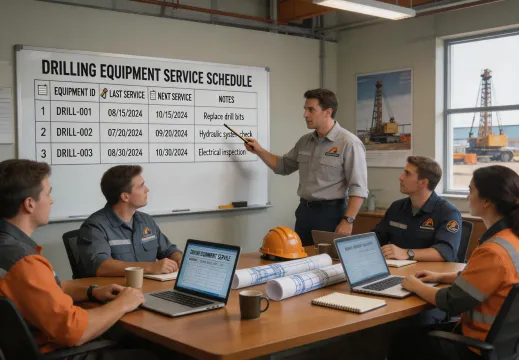
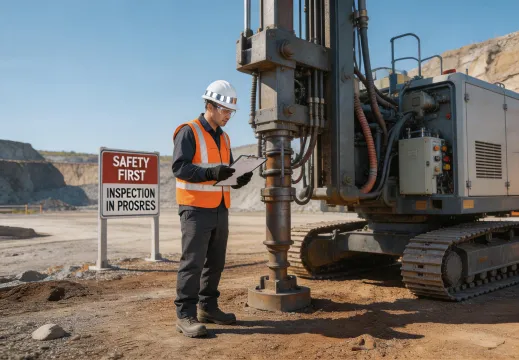
Sustainable progress in heavy equipment is usually made through disciplined decisions: use the right machine for the duty, maintain it before failure, rebuild where practical, reduce unnecessary transport, and train teams to operate safely and efficiently. Liebherr frames sustainability through lifecycle responsibility rather than broad claims that cannot be verified across different mine conditions.
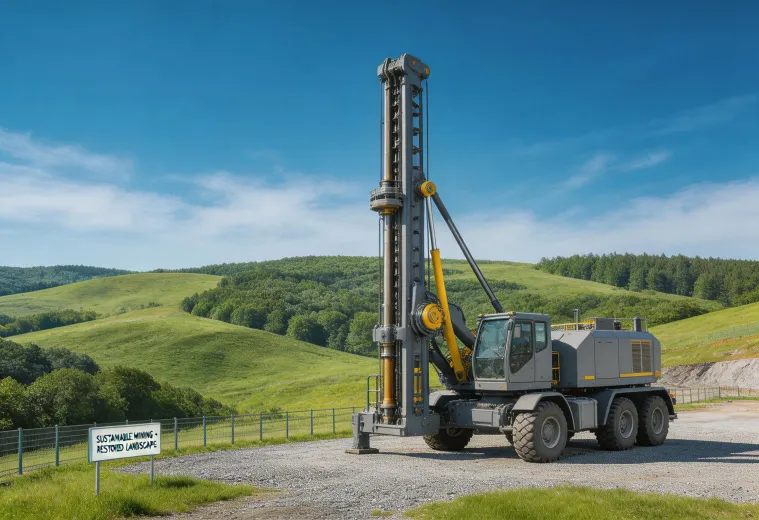
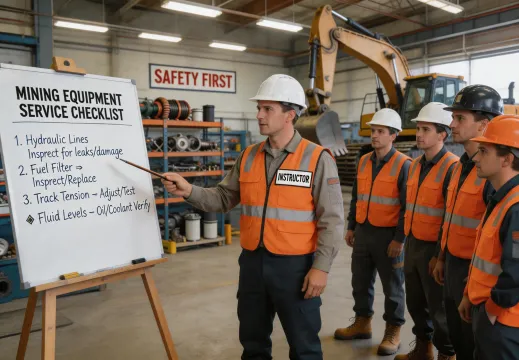
When a mine selects equipment without a clear lifecycle plan, waste appears in many forms: unused capacity, rushed freight, avoidable component damage, inefficient idling, and emergency repairs that interrupt production. Liebherr's dependable partner approach helps teams discuss those risks before they become expensive habits.
Responsible equipment supply means supporting the machine for the conditions it will actually face.
That philosophy connects engineering, maintenance, procurement, and HSE teams. A clear commissioning plan can reduce confusion during start-up. A practical parts plan can avoid unnecessary shipments. Operator training can improve the way equipment is inspected and used. Rebuild discussions can extend useful life where economics and safety allow. These actions are modest individually, but together they create a more resilient and less wasteful operating model.
Responsible projects depend on people as much as machines. Training, documentation, and transparent communication help local teams operate with more confidence.


Share operating assumptions, service distance, rebuild expectations, and environmental priorities so the equipment plan can be reviewed with practical evidence.
Equipment Inquiry